We Use CookiesWe use cookies to enhance the security, performance, functionality and for analytical and promotional activities. By continuing to browse this site you are agreeing to our privacy policy

10 Best Reef Safe Sunscreens 2026 in the United States
How do we rank products for you?

Our technology thoroughly searches through the online shopping world, reviewing hundreds of sites. We then process and analyze this information, updating in real-time to bring you the latest top-rated products. This way, you always get the best and most current options available.

headphones-stars

Our Top Picks

#1

Winner

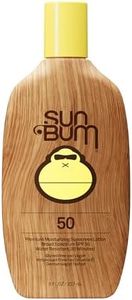
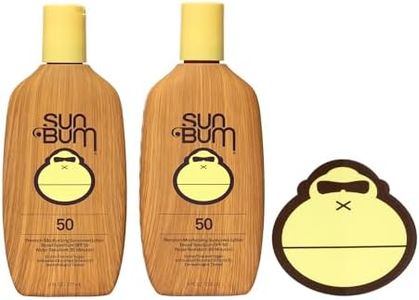
Sun Bum Original SPF 50 Sunscreen Body Lotion - Broad Spectrum Moisturizing Sunscreen with Vitamin E - Hawaii 104 Act Compliant (Made without Octinoxate & Oxybenzone) - 8 oz

Rating
10.0
Chosen by1,329
Active Ingredients
SPF Rating

Most important from
33058 reviews

Active Ingredients
Highly recommended for its reef-safe ingredients and effective protection.
SPF Rating
Fantastic for preventing sunburns even with minimal reapplication.

The Sun Bum Original SPF 50 Sunscreen Body Lotion is a reef-safe option that adheres to the Hawaii 104 Act by being free of Octinoxate and Oxybenzone, which are harmful to coral reefs. Its primary strength lies in its broad-spectrum protection, effectively shielding against both UVA and UVB rays, making it suitable for those looking for high SPF coverage. The sunscreen is also water-resistant for up to 80 minutes, which is beneficial for swimmers or those engaging in outdoor activities.

Moreover, it contains Vitamin E, providing additional moisturizing benefits and is non-comedogenic, meaning it won't clog pores, which is great for people with sensitive or acne-prone skin. Another notable feature is its pleasant 'summer' scent, which many users appreciate. However, the scent might not be appealing to everyone, and those with fragrance sensitivities might want to consider this aspect. Additionally, the lotion form may require more effort to apply evenly compared to sprays or sticks.

Its dermatologically approved formula, free from gluten, parabens, and cruelty, makes it a conscientious choice for consumers. Trusted by beachgoers and designed by people who understand sun exposure, this product stands out for its practical and protective qualities. Frequent reapplication every 2 hours as recommended can be seen as a drawback for those looking for more prolonged, hassle-free protection.

Rating
10.0
Chosen by1,329
Active Ingredients
SPF Rating

Most important from
33058 reviews

Active Ingredients
Highly recommended for its reef-safe ingredients and effective protection.
SPF Rating
Fantastic for preventing sunburns even with minimal reapplication.
#2

Neutrogena Sunscreen Lotion Beach Defense SPF 30, Face and Body Sunscreen, Hawaii Reef Act 104 Compliant, Octinoxate & Oxybenzone Free, Oil Free, Fast Absorbing Sun Care, 6.7 fl. oz

Rating
9.7
Additional Skin Benefits
Application Type
Water Resistance

Most important from
25205 reviews

Additional Skin Benefits
Delivers reliable sun protection without irritating the skin, making it a trusted choice for regular use.
Application Type
Feels lightweight and smooth, more like a gentle body lotion than a typical sunscreen.
Water Resistance
Water-resistant for up to 80 minutes, making it suitable for swimming and outdoor activities.

The Neutrogena Beach Defense SPF 30 is a solid choice for anyone looking for a reef-safe sunscreen that protects both face and body. It’s free of oxybenzone and octinoxate, complying with Hawaii’s Reef Act 104, which means it’s safer for coral reefs compared to many traditional sunscreens. The product uses Helioplex technology, offering broad-spectrum protection against both UVA and UVB rays, helping prevent sunburn and skin aging. With an SPF of 30, it provides good daily sun protection, though those needing stronger defense might consider the higher SPF variants (50 or 70) Neutrogena also offers.

This sunscreen is oil-free, fast-absorbing, and fragrance-free, making it comfortable for most skin types without feeling greasy or heavy. It’s water-resistant for up to 80 minutes, which is helpful for swimming or sweating but still requires reapplication for longer exposure. While it’s a lotion type that applies easily, it does not mention additional skin benefits like moisturizing or antioxidants, so it primarily focuses on sun protection.

If you want a reef-safe, reliable sunscreen that is easy to apply and suitable for outdoor activities, this product fits well. However, if you prefer a higher SPF or added skincare ingredients, you might want to explore other options.

Rating
9.7
Additional Skin Benefits
Application Type
Water Resistance

Most important from
25205 reviews

Additional Skin Benefits
Delivers reliable sun protection without irritating the skin, making it a trusted choice for regular use.
Application Type
Feels lightweight and smooth, more like a gentle body lotion than a typical sunscreen.
Water Resistance
Water-resistant for up to 80 minutes, making it suitable for swimming and outdoor activities.
#3

COOLA Organic Face Sunscreen SPF 50 Sunblock Lotion, Dermatologist Tested Skin Care for Daily Protection, Vegan and Gluten Free, Fragrance Free, 1.7 Fl Oz.

The COOLA Organic Face Sunscreen SPF 50 is a strong choice for effective daily sun protection that’s gentle on the environment. It offers broad spectrum SPF 50, shielding well against both UVA and UVB rays, which is important for preventing sunburn and skin damage. This sunscreen is water resistant for up to 80 minutes, making it suitable for outdoor activities where you might sweat or get wet, like swimming or light sports.

Unlike many sunscreens that feel heavy or greasy, this lotion absorbs quickly without leaving an oily residue, making it comfortable for everyday use. It’s fragrance-free, vegan, gluten-free, and free from parabens, which reduces the chance of irritation and is great for sensitive skin. Additionally, it contains antioxidant-rich plant ingredients that help nourish your skin and protect it from environmental damage. From an environmental perspective, this product complies with the Hawaii Reef Safe Act, indicating it’s formulated to avoid harming coral reefs, which is important for eco-conscious users.

The sunscreen comes in a lotion form in a compact 1.7-ounce bottle, which is easy to apply but might require frequent reapplication if you’re out in strong sun or water for extended periods. While the water resistance is decent, it’s not designed for very long or intense water exposure. Also, it’s focused on facial use, so you might need a different product for full-body coverage. This sunscreen is well-suited for daily facial protection, especially if you want a product that’s gentle on skin and the environment, but it’s less ideal for prolonged water activities or if you prefer a spray or stick format.

Buying Guide for the Best Reef Safe Sunscreens

Choosing the right reef-safe sunscreen is essential not only for protecting your skin from harmful UV rays but also for preserving marine ecosystems. Reef-safe sunscreens are formulated without certain chemicals that can harm coral reefs and marine life. When selecting a reef-safe sunscreen, it's important to consider various factors to ensure it meets your needs while being environmentally friendly.
Active IngredientsActive ingredients in reef-safe sunscreens are typically mineral-based, such as zinc oxide or titanium dioxide. These ingredients are important because they provide broad-spectrum protection against both UVA and UVB rays without harming marine life. When navigating active ingredients, look for sunscreens that list non-nano zinc oxide or titanium dioxide as their primary components. Non-nano particles are less likely to be ingested by marine organisms. If you have sensitive skin, zinc oxide is often recommended as it is gentle and effective.
SPF RatingSPF, or Sun Protection Factor, measures how well a sunscreen can protect your skin from UVB rays, which cause sunburn. This spec is crucial for determining the level of protection you need based on your skin type and sun exposure. SPF ratings are typically segmented into three categories: low (SPF 15-30), medium (SPF 30-50), and high (SPF 50+). For everyday use, an SPF of 30 is usually sufficient, but if you plan to spend extended time outdoors, opt for a higher SPF. Choose an SPF that matches your activity level and skin sensitivity.
Water ResistanceWater resistance indicates how long the sunscreen remains effective while you are swimming or sweating. This spec is important for maintaining protection during water activities. Water resistance is usually labeled as either 40 minutes or 80 minutes. If you are engaging in water sports or will be in the water for extended periods, choose a sunscreen with 80 minutes of water resistance. For less intense activities, 40 minutes may be adequate. Reapply as directed to maintain protection.
Application TypeReef-safe sunscreens come in various application types, including lotions, creams, sticks, and sprays. This spec is important for convenience and ease of use. Lotions and creams are ideal for full-body coverage and are often more moisturizing. Sticks are convenient for targeted areas like the face and are less messy. Sprays offer quick application but may require more careful application to ensure even coverage. Choose the type that best fits your lifestyle and application preferences.
Additional Skin BenefitsSome reef-safe sunscreens offer additional skin benefits such as moisturizing, anti-aging, or antioxidant properties. These benefits are important for providing extra care to your skin while protecting it from the sun. If you have dry skin, look for sunscreens with added moisturizers like aloe vera or hyaluronic acid. For anti-aging benefits, ingredients like vitamin C or E can be beneficial. Choose a sunscreen that addresses your specific skin concerns for added value.
Environmental CertificationsEnvironmental certifications indicate that the sunscreen has been tested and verified to be safe for marine life and ecosystems. This spec is important for ensuring that the product truly meets reef-safe standards. Look for certifications from reputable organizations such as the Environmental Working Group (EWG) or the Protect Land + Sea certification. These certifications provide assurance that the sunscreen is free from harmful chemicals like oxybenzone and octinoxate. Choose products with recognized certifications to support environmental sustainability.

FAQ